
Crafting An Adventure Mindset
Part Two: How To Create Your Own Adventure

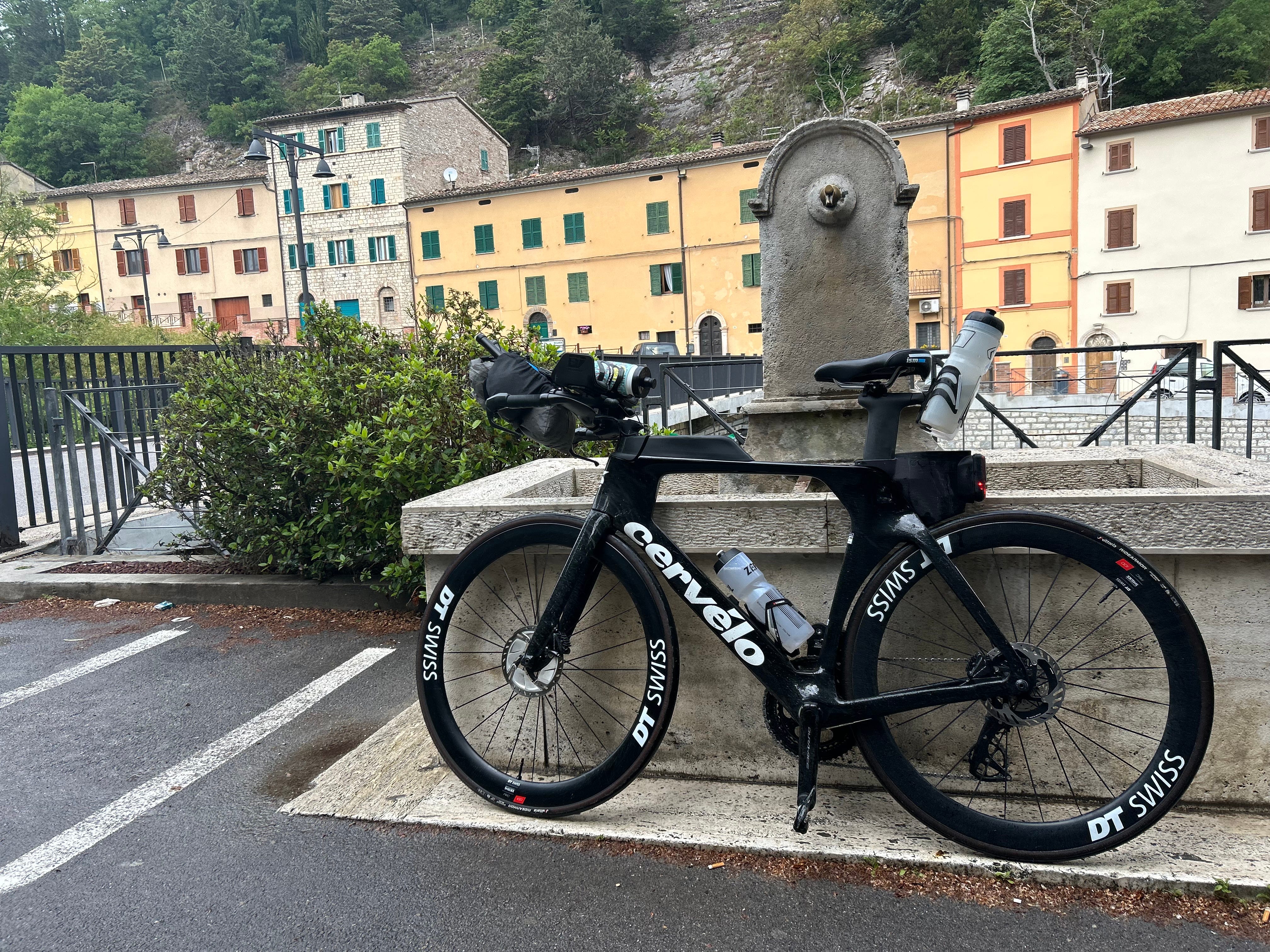
In Part One we covered the mechanics of fast bike touring. This time I want to chat you through what you are likely to experience if you venture beyond the Limit.
After I won Ultraman Hawaii, a question I’d get was “What did you think about when you were swimming 10 km?” For most of the swim, I thought about my stroke and counted to three. My mantra was 1-2-3-breathe, 1-2-3-breathe. When we get into an exercise groove, counting, and breathing, is a form of meditation.
Meditation, while moving, is called flow. Look for a future article about summoning flow. Flow is a skill that will take your enjoyment, and pleasure to a higher level, literally.
The Healing Power of Exercise
Before my recent bike tour, I had been riding nearly exclusively indoors, with music. To try something different, I started my trip without music. I find no-music makes it easier to keep my mind relaxed.
When I would ride long as a young adult, I’d often (re)experience strong emotions, and have unresolved issues pop up. It felt like I was working through head-noise across my long days. These days my life is tranquil so I don’t have much that appears when going long.
I say this because, if you are new to ultra endurance, then it is common for emotional experiences to reappear while you are exercising. My advice is to move through these experiences and let them go. Processing emotional experiences is one of the benefits of training long.
Settle Body, Then Settle Mind
At first, the ride was completely silent. Then, as the birds woke up, I enjoyed the sounds of nature. The pace was comfortable and my breathing was relaxed. The overall sensation was easy work. I’d drift into Zone 2 on the climbs and the occasional flat segment. Because I had no timetable my mind was free to relax.
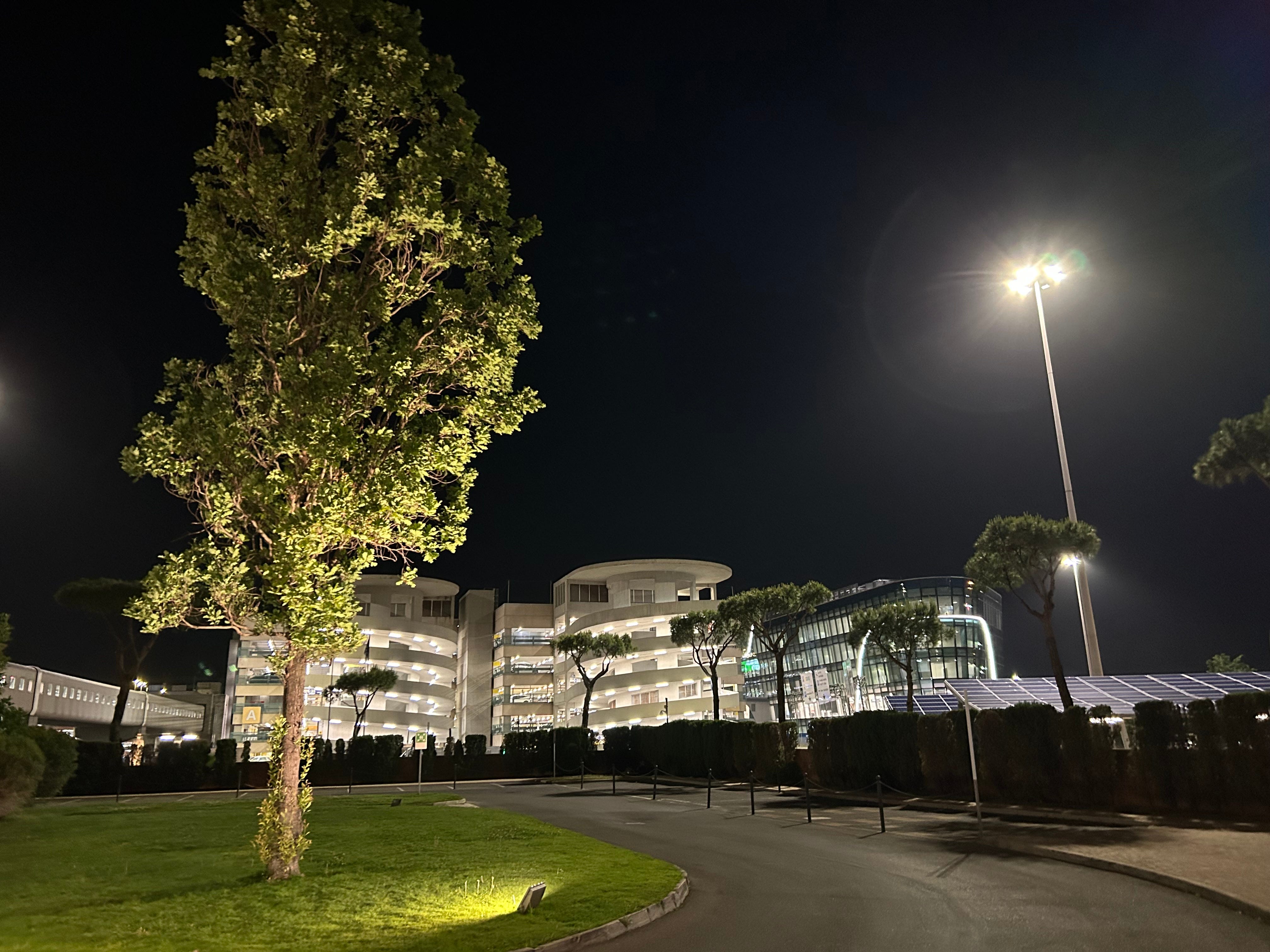
I navigated out of Rome, quite slowly. As a result, my average speed was rising all the way to lunch. I set my computer to display the route map and rode turn-by-turn. With the map on display, rather than metrics, I kept my mind from thinking about heart rate, power or speed. On the climbs I’d check my heart rate occasionally to make sure it was normal for the effort I was feeling.
Typically, I only use caffeine on race day so 200mg of caffeine (in gels) boosted my mood when taken at 8am and 1:30pm respectively (5mg per kg across the day).
Adventure Mindset
The start of my ride was uneventful, which is the way I like it. However, I don’t undertake adventures, or long races, because I want an uneventful life. Please remember this whenever you are challenged by the unexpected.
The day before my ride I had challenges with my luggage (arriving, onward shipping and storing). While this was going down, I reminded myself:
I designed this trip because I was seeking adventure.
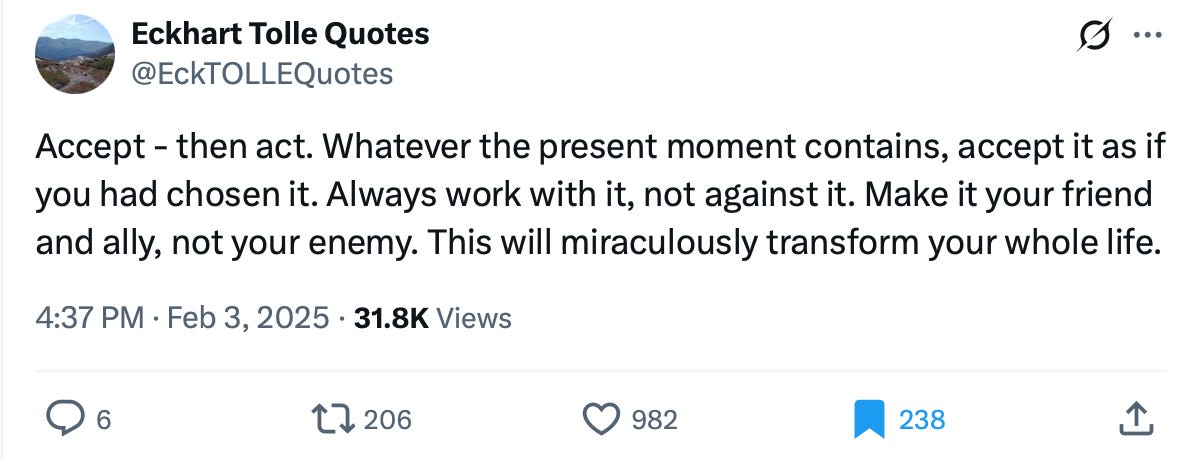
Each time something unexpected happens, welcome it.
We seek adventures to learn how to handle adversity and experience a life that is different from our daily living.
Cramps, Electrolytes & Dehydration
When we go beyond the durations/loads we have trained, it is normal to experience cramping. I’ve never found cramping to be mysterious, or without an explanation. Cramping arrives when I’m doing something I haven’t repeated in training.
My cramping is related to: (a) peak torque, (b) a change in position, or (c) an increase in output. For example, many people experience cramps when they shift to their mountain bike and start riding long. The change in peak load, muscle activation, and pressure points, is enough to act as a trigger, usually on the hamstrings.
Early in the cramping process, you’ll experience what I call zingers. The sensation is little bits of electricity firing through the muscle. It’s not a cramp but it feels close.
When running, short walking breaks (ideally before the zingers start) will relax the muscle and delay cramps (hopefully beyond the finish line).
When riding, I’m careful with peak torque. A short period of dropping power, and changing cadence, will relax the muscle.
The most important thing is to relax the mind and breathing. If you stay calm then you’ll continue to perform with minimal loss in speed. If we panic, then we can lock ourselves solid, quite quickly.
After riding for ~4 hours, I started to get zingers. I followed my advice and rode through them. While doing this, I used a bit of caffeine to boost my mood. By the time the zingers settled, about an hour later, I was able to continue for another 8 (!) hours without issue. I’ve experienced similar things with foot, back, hip and calf pain. If I immediately relax then I can continue to perform for a long time.
Use direct personal experience, to teach yourself what I just explained.
You can train through just about anything if you relax and focus on process.
My sports drink (Formula 369) has 200 mg of sodium per scoop and I drank 30-scoops across the day. That works out to 400-500 mg of sodium per hour across the period I was drinking the mix. That is a high rate of sodium intake.
I find a drink with sodium is easier to consume all day. If you can’t stomach your sports drink after a few hours then check the sodium content. You might do better with a formulation with a lighter flavor profile and more sodium.
I don’t think sodium prevents cramps. What prevents cramps is specific fitness. However, when we are on an adventure, by definition, we’re going to be pushing beyond our specific training. My Rome-Riccione ride was one of the longest of my life.
My point: when we are pushing the limits, dehydration does not help. Appropriate use of sodium will reduce the likelihood of dehydration.
Digestive Fatigue and a Reality Check
I think about hydration separately from calories. I have been fortunate this year because liquid calories, slightly concentrated, have been giving me enough hydration. On extremely hot days, the volume of fluid can become a limiter. Some folks are unable to motivate themselves to consume appropriate levels of calories and hydration.
If that sounds familiar then you need to address it, or accept you won’t enjoy/perform on the long stuff. Not being able to train long, or handle big volume, is not a big deal. There’s no reason any of us need to exercise more than 1-2 hours per day. I happen to think 12-14 hours per week is beneficial but the data only supports up to an hour per day.
If your gut, brain and common sense are whispering that you’ve had enough. They have a point. The extreme days I write about should be treated as special occasions, not a lifestyle destination. Balance them with numerous low sugar, high fiber days where you eat real food.
When Fatigue Is A Choice
In benign environments - ie conditions that are neither too hot, nor too cold - you will learn you can keep moving, essentially, forever. Eventually you’ll need to sleep but, even then, a nap will be enough to get you going again.
We've run through the most common things that result in problems:
Emotionally Quitting.
Panic Cramps.
Process Breakdown (hydration, nutrition).
When one of the above happens, we might not think we created the situation.
Rest assured, we did.
We are completely in control of our preparation, early pace selection and overall process.
The purpose of these ultra long workouts, is to test our process and train our minds. Treat every setback as an opportunity to learn and welcome it as part of your adventure.
Back to Training Camps
Back to eBook Table of Contents
Thanks for this! Do you have another one planned?