
Fast Triathlon Running
A Long Apprenticeship

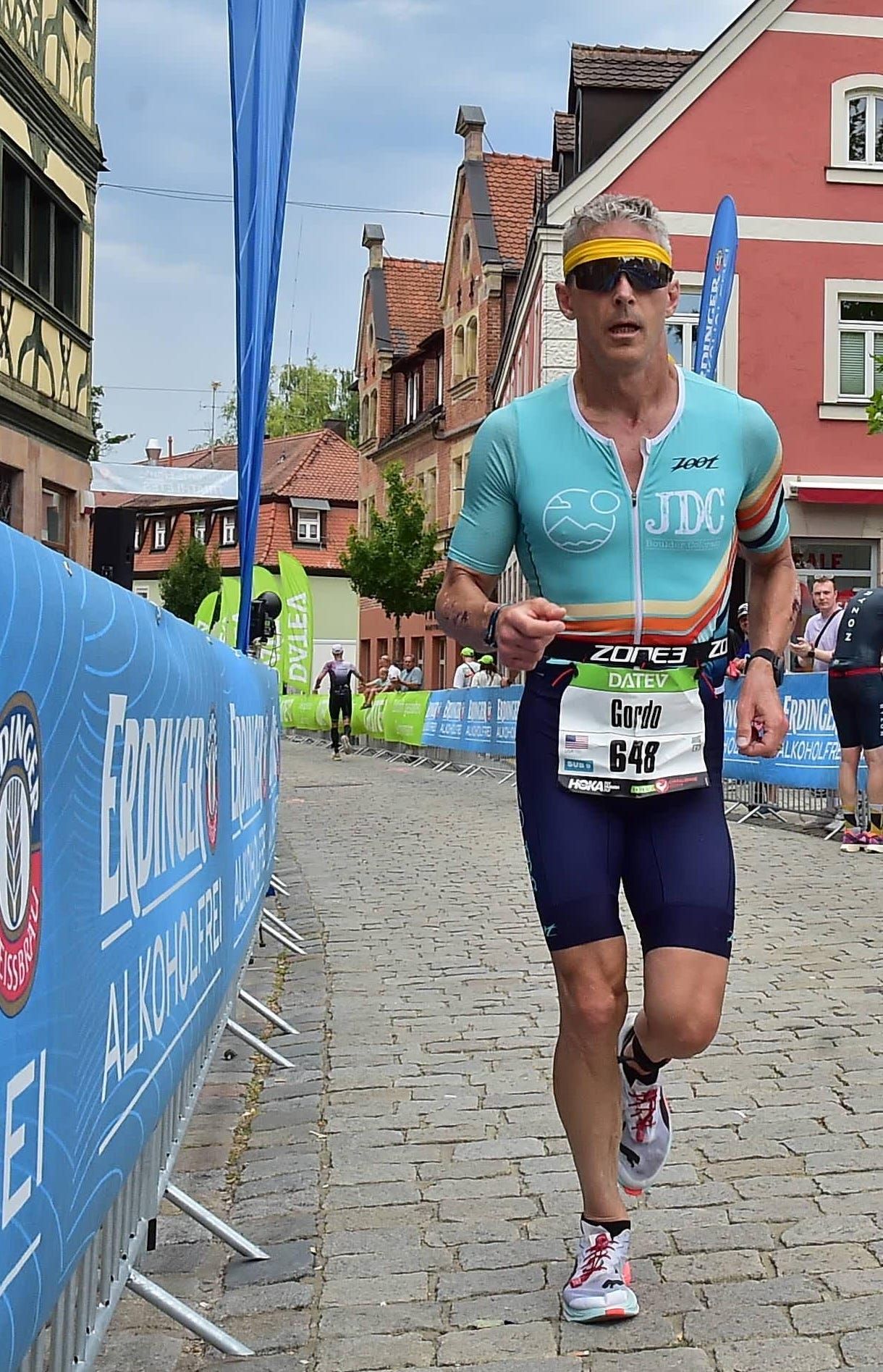
July 1st, 2026 is the four-year anniversary of my returning to running. My times remain a ways off from my elite days but I’ve made consistent progress.
I have a hunch that super shoes (and smart training) are going to enable me to get close to my elite triathlon running times.
I hope this article helps you run faster.
Year One - Get Moving
We all start in a just get moving, or just stay healthy, phase.
My protocol was simple. Three runs per week, all easy with supplemental hiking/walking. Total weekly volume (running and other stuff) was ~14 hours per week. My week was mostly non-running exercise.
In the table (below) the dotted line is 24 km (15 miles) per week. You can see the point where I decided to ramp volume and, from there, I started to develop niggles. In hindsight, I should have stayed under my biomechanical breakpoint and not run more than 40 km (25 miles) per week.
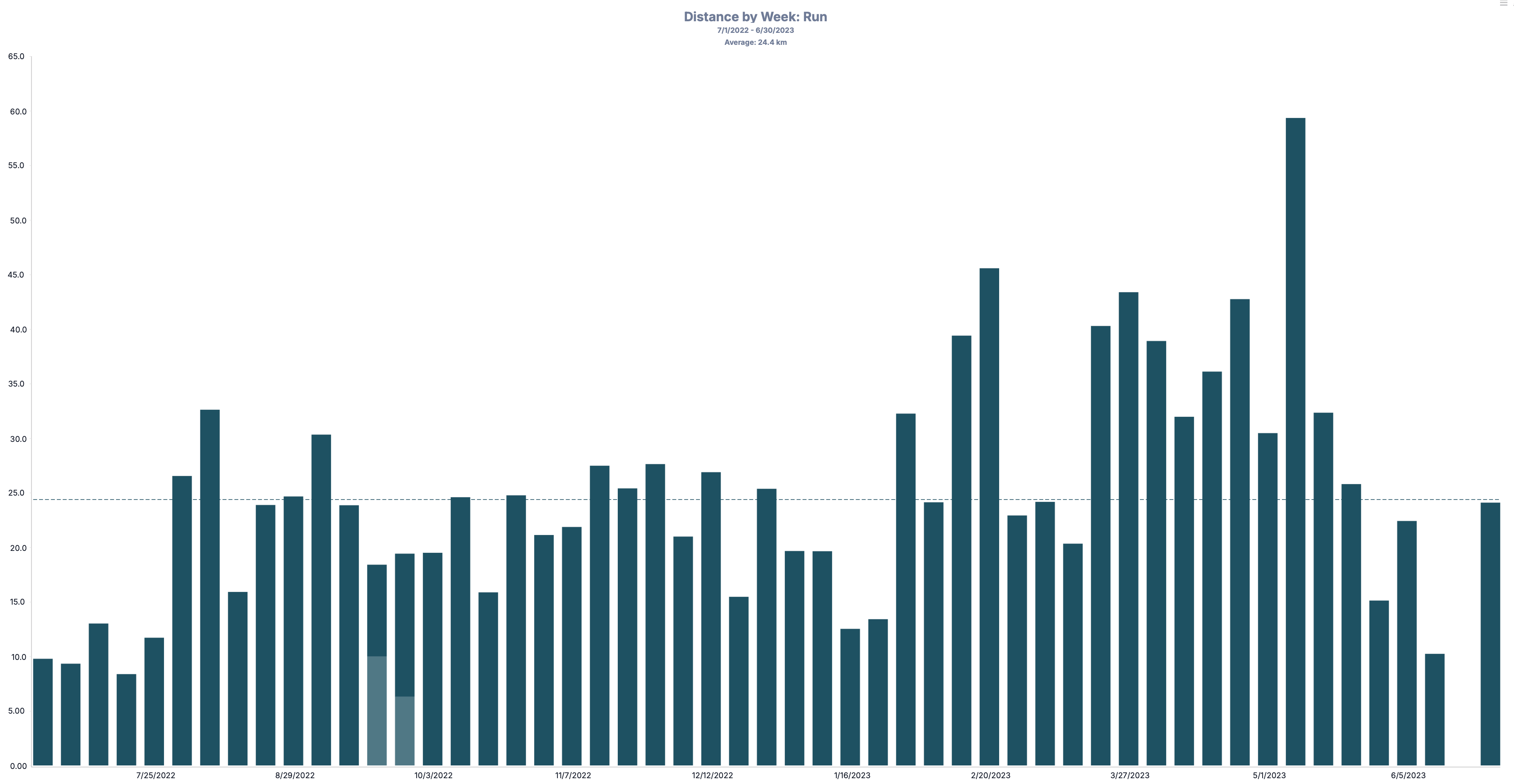
Chapters Five and Six of How To Train go into detail about this period. Common to everyone who starts running, there was considerable frustration with my slow rate of progress.
Year Two - Bike Focus
By being more cautious with my chronic run load, I managed to tick-the-box on a two running goals:
A sub-40 minute 10K.
A sub-90 minute Half Marathon.
Both felt like best efforts at the time.
As I wrote in Chapter Nine of How To Train, my run focus came with a cost => my overall training became less consistent and my total volume fell.
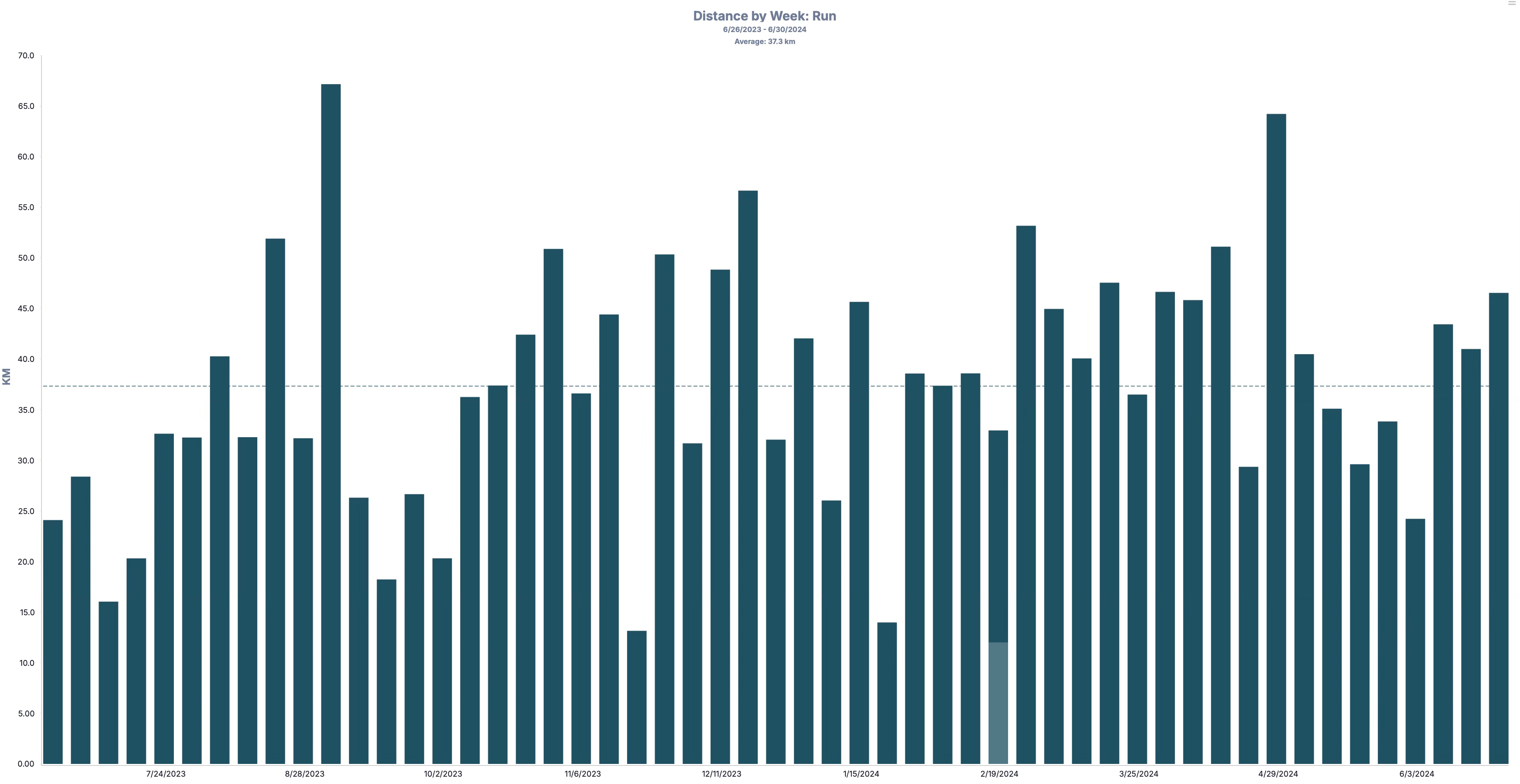
A better looking year, 37 km (23 miles) per week. Year Two ended with a bike-focus block and I managed to place my best performance of the year in my A race.
What I got right in this phase was accepting my biomechanical limits and focusing on improving my cycling.
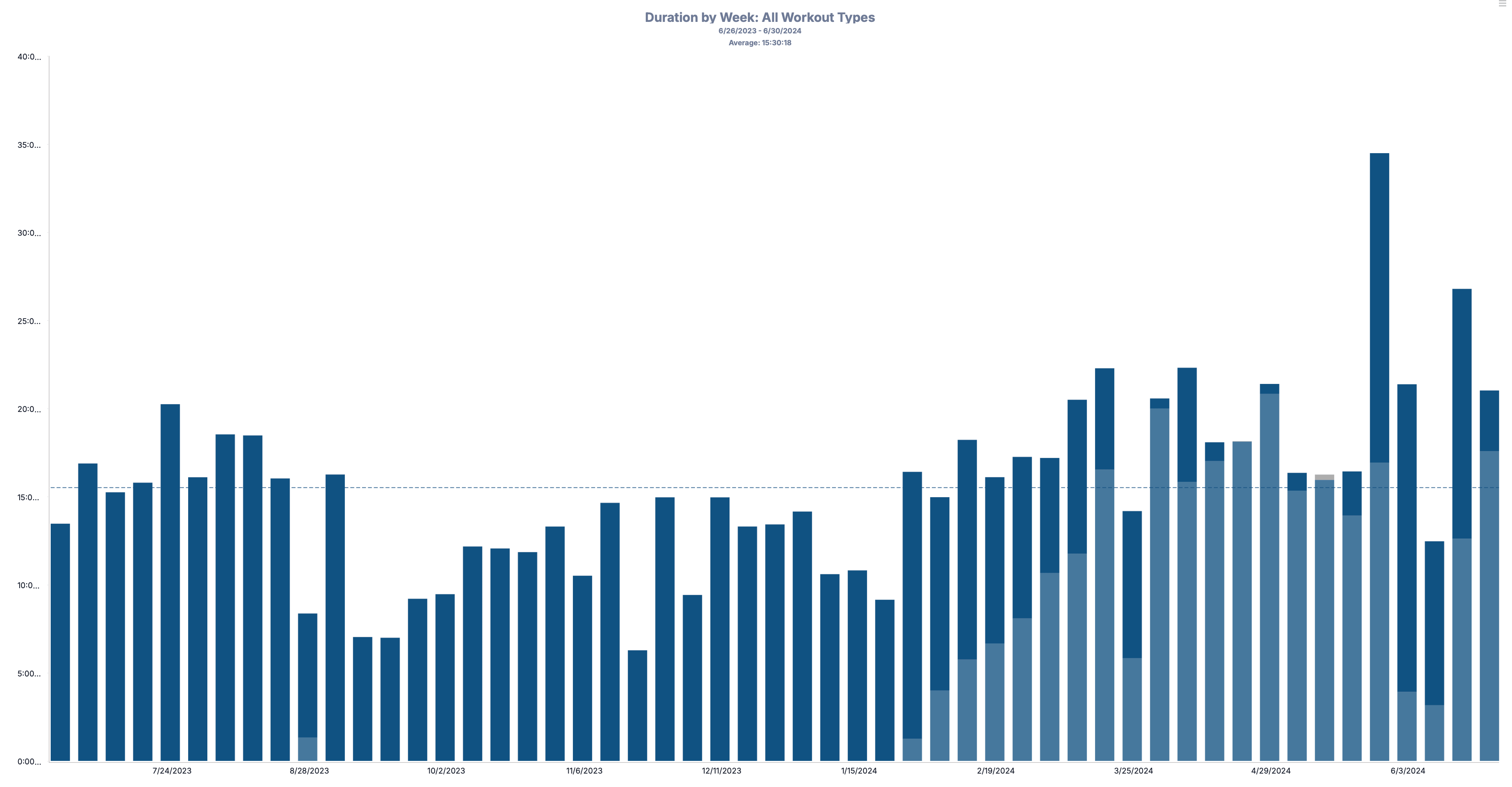
Running made up less than 4 hours of my average week, which contained 15 1/2 hours of total training.
If you feel like you have “glass legs” then this type of year can do wonders for your general capacity and give your connective tissues time to catch up to your cardiovascular fitness.
At this stage, I’m still not tolerating much of what you’d consider proper run training. I’m trying to stay healthy and consistent.
Year Three - Ironman Year
Emboldened by an age group win at Alpe d’Huez Triathlon, this year was focused on a sub-9-hour performance at Challenge Roth and included frequent low-priority races.
