
Half Marathon Racing
Gordo's How To Race Series

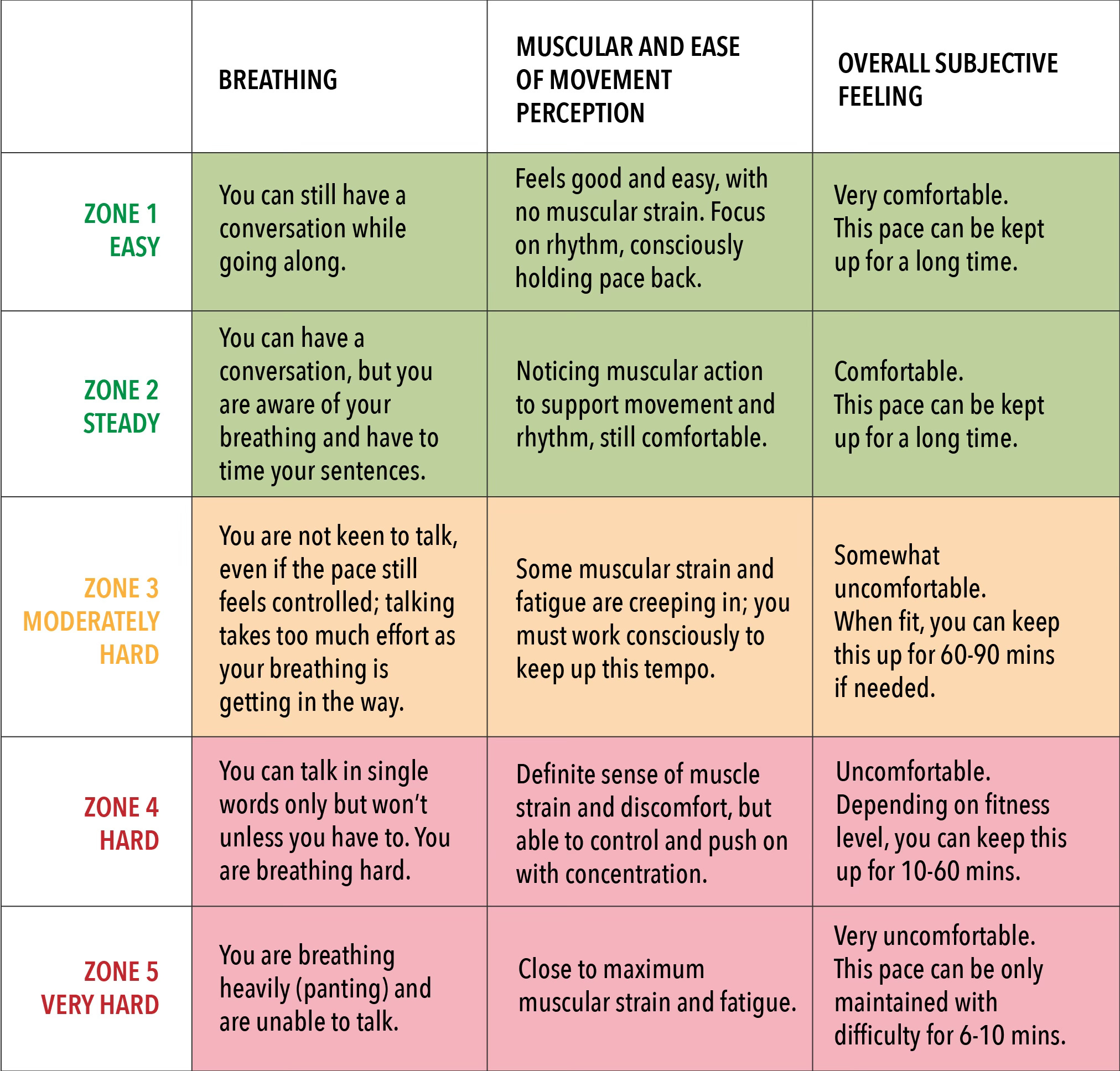
Part One contains John’s tips, which tie into his subjective perception chart (below).
The key thing I want you to remember: The Red Zone is typified by being uncomfortable and the duration we can sustain in-the-red is less than our half marathon race.
Stay out of the red for the first 10K
Keep the first half of the race feeling moderately-hard.
You should NOT be panting.
In 70.3 triathlons and open half marathon races, I think in quarters:
First 5K - should feel relaxed and comfortable.
Second 5K - settle into Core Pace.
Third 5K - is the best place to make a competitive move. Look for people to run with, don’t get caught with the slower runners. Keep moving through the crowd.
Final 5K - spend whatever you have left, or enjoy the feeling of a job well done.
I ran the Phoenix Half Marathon two weekends ago, so let’s use the event to explain the four different phases of half marathon racing.
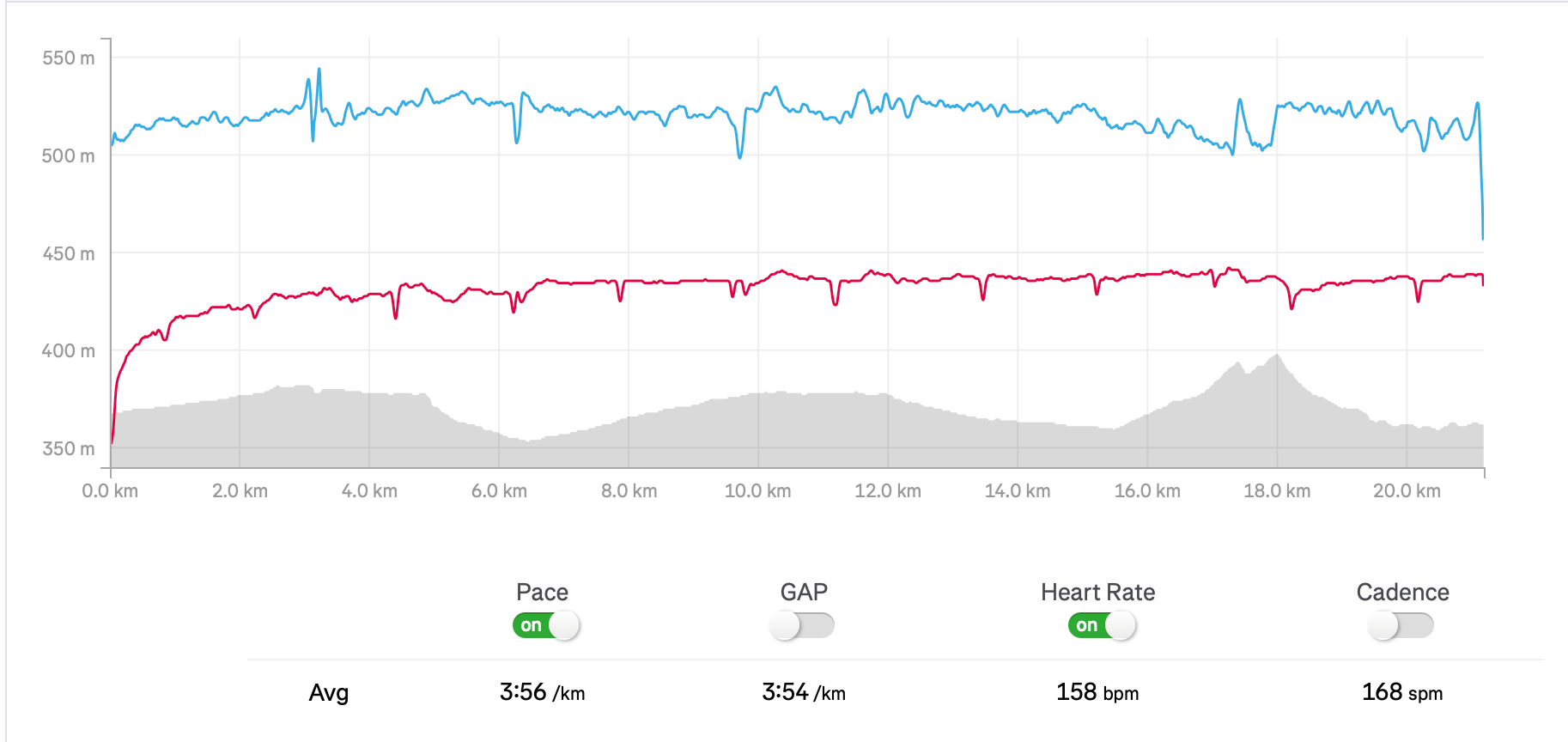
First 5K: Because of my relaxed start, both the 1:30 and 1:25 pace groups gapped me. The pace leader of the 1:30 group self-corrected quickly and I caught him at the first mile marker. It took me 4 km to catch the 1:25 group (I finished in 1:23:03).
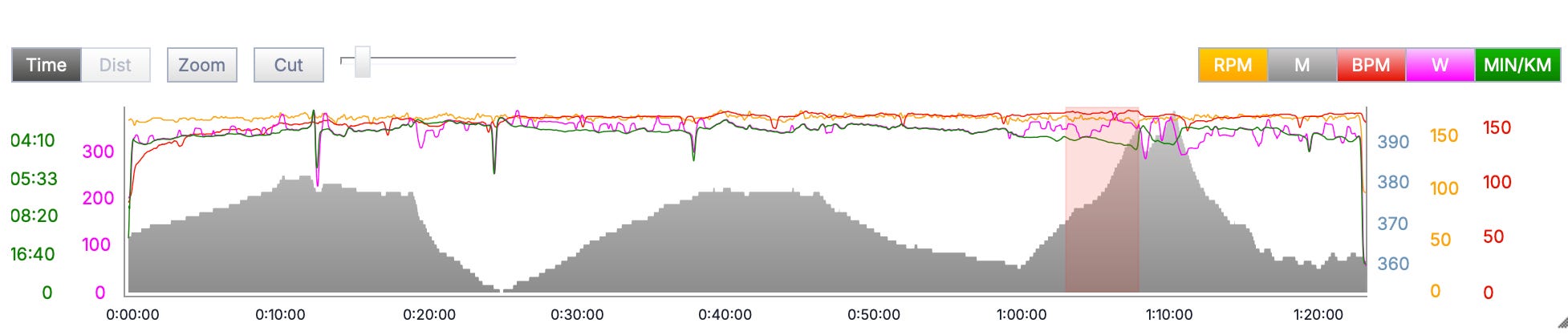
Because of a downhill section at 5K, I didn’t settle into race effort until I’d been running for 30 minutes.
Second 5K: I hadn’t trained specifically for this race so followed John’s guideline that my Core Pace should have a Zone 3 / Moderately-Hard feeling.
I was surprised that race effort corresponded to a heart rate of 160 bpm. Back home, at 5,400 feet (1,700 meters), a heart rate of 160 bpm feels like a high Zone 4 effort. John has taught me that we often see higher heart rates in racing. Given that I’d started conservatively and slowly built to 160 bpm, I decided to trust my feelings.
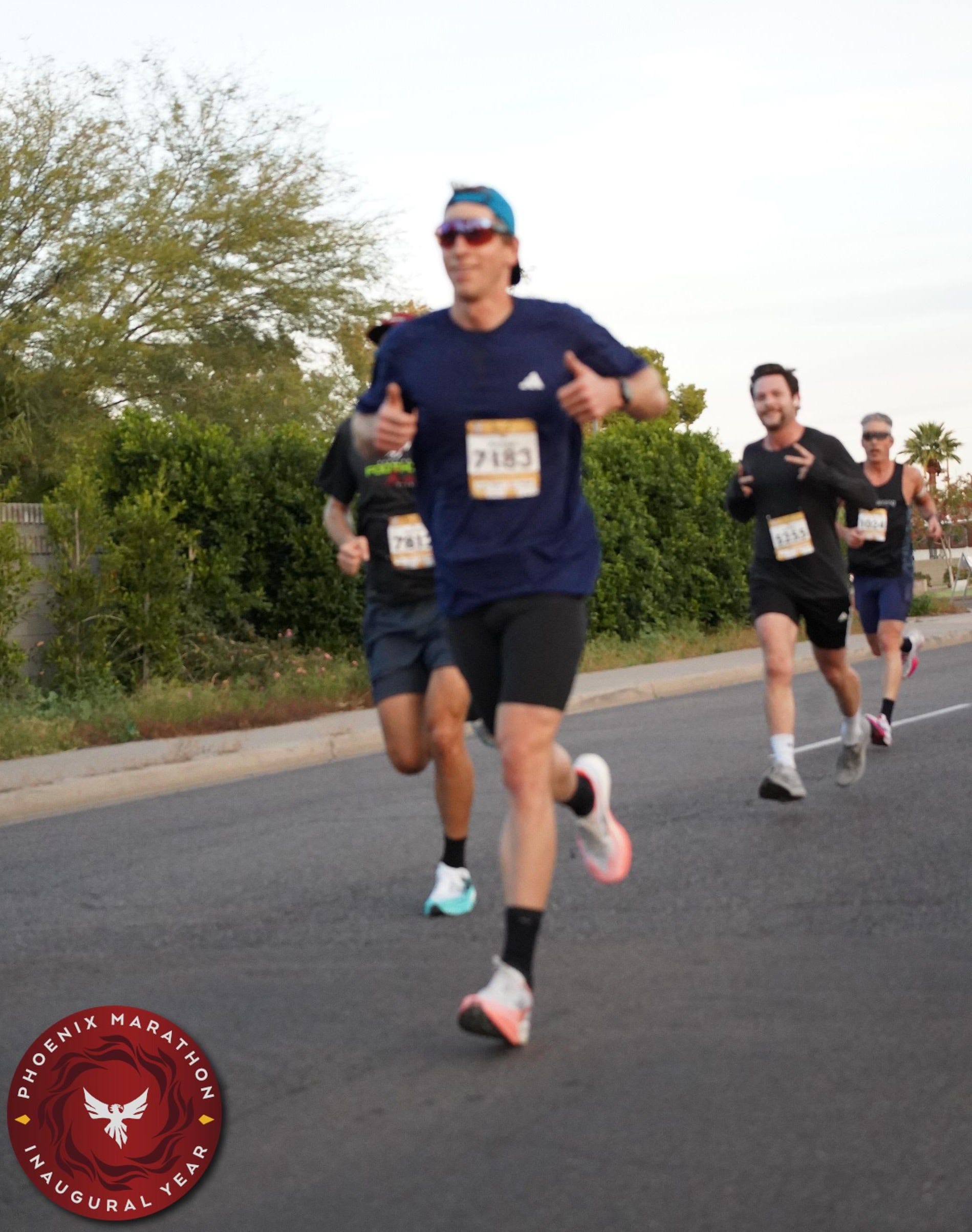
I was running at the back of a small group of men. There was a light headwind and I could feel the benefit of being tucked in.
Third 5K: At the 10K mark, there was a runner just off the front of our group. The runner was slowly pulling away. Knowing competitive dynamics, I decided it was time to bridge to him.
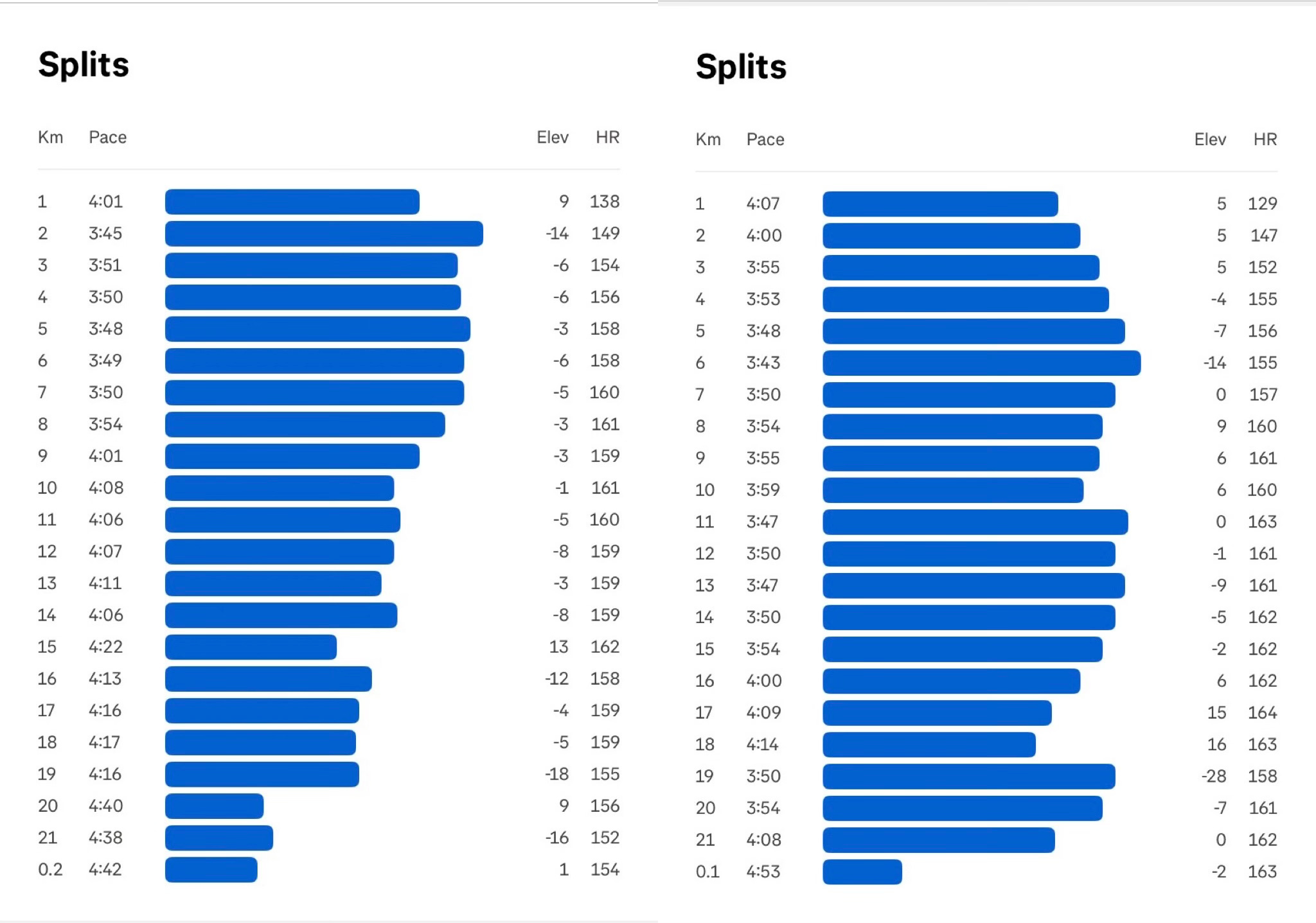
In the 11 km split, the pace and heart rate data (right hand side, above) show I moved into the red, just before we hit a stretch of slightly downhill running. It was a perfectly timed move as the course profile gave me a chance to recover from my surge, while sitting in.
While I was sitting in, my lead out man (Jack Norton) asked if I wanted to swap leads. It was all I could do to get a few words out, “Can’t. Talk. Sorry.” I was in the red and knew I had to gradually manage myself downwards.
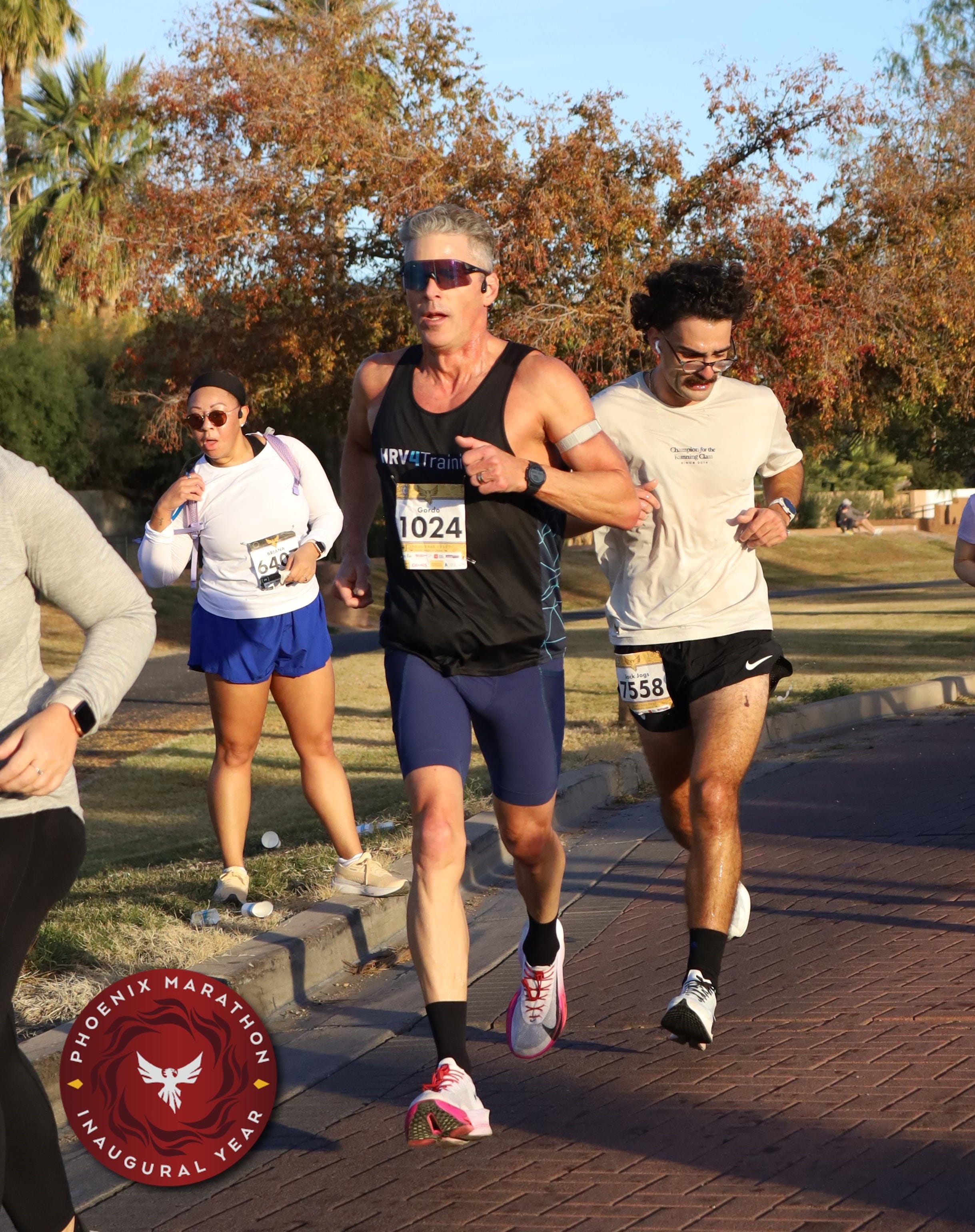
There was a hill late in the race but I had no idea how long, or how steep. Because this race was a low-priority event, I hadn’t bothered to recon the course. If it was an A-priority event then I would have ridden the course in advance.
Final 5K: I went deep into the red near the top of the final hill, coming within 5 bpm of my max heart rate. I was hoping to recover on the final downhill but I’d taken myself a little too deep for a fast finish. Instead, it was a case of hanging on and enjoying the feeling of a job well done (once my heart rate settled at the finish).

In this race, I was able to:
Start relaxed.
Put my best hour of racing into the final hour.
Put my highest effort of the day into the slowest part of the course
Most everything went right at this race. Ideas for your next half marathon:
Leave room to run more intensely in the second half of your event. A conservative first 10K enabled me to bridge when it mattered and stay with a runner who set a perfect pace.
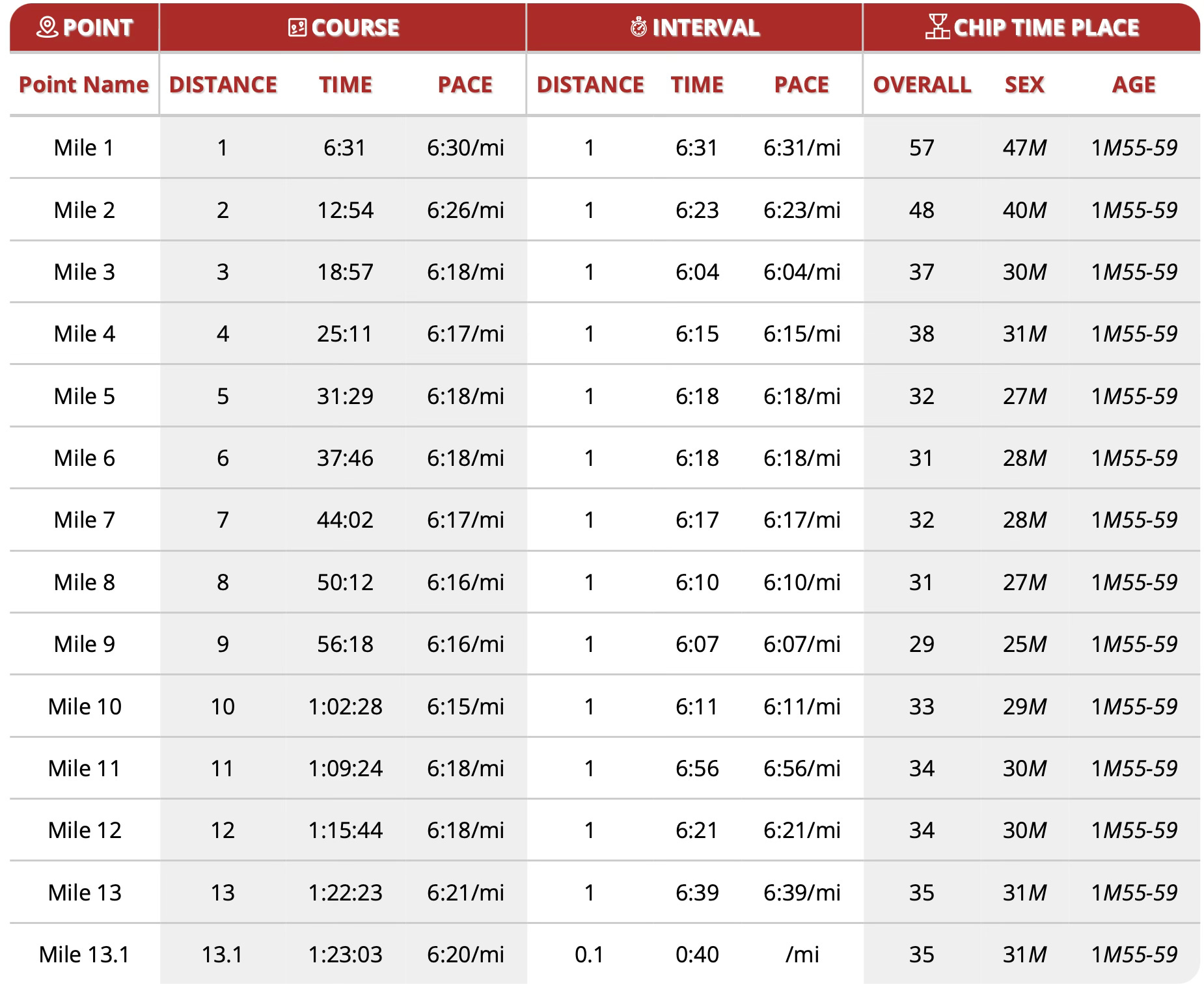
A good day increases our capacity to endure. Off the start line, it was tough to watch the 1:30 pace group head up the road. Later, a conservative early pacing strategy gave me the feeling that I was moving through the race. When I faltered at the end, I was able to hang on. You can see my relative race positioning in the table below (chip time place, overall).
As the race progresses, it only gets tougher to eat. One of my goals for triathlon is training the ability to eat more on the run. Sitting at 93-94% of HRmax is the perfect time to train the ability to eat and run. I consumed ~725 kcal in the first hour of this race. It was not pleasant but now I know I can do it.
Back to my How To Race Series
Back to eBook Table of Contents
Thnx for the write up on your half-mara. Some good insights here. How many gels did you have during your run? I did a half-mara in Stanley Park in Nov. A 2 lap affair so it was great for pacing. I went with a gel 10 min before the start, and then gels at about 22, 50, 75, and 90 minutes. That last gel really enboldened me to battle with the pack I was in over the last 3 k. The mental clarity and courage it afforded me, was revealing. Bodes well for "fueling big" during the run part of a half-iron.