
How To Train - Chapter Two
The ABCs and 123s of Performance

Let’s bring back the chart from Chapter One.
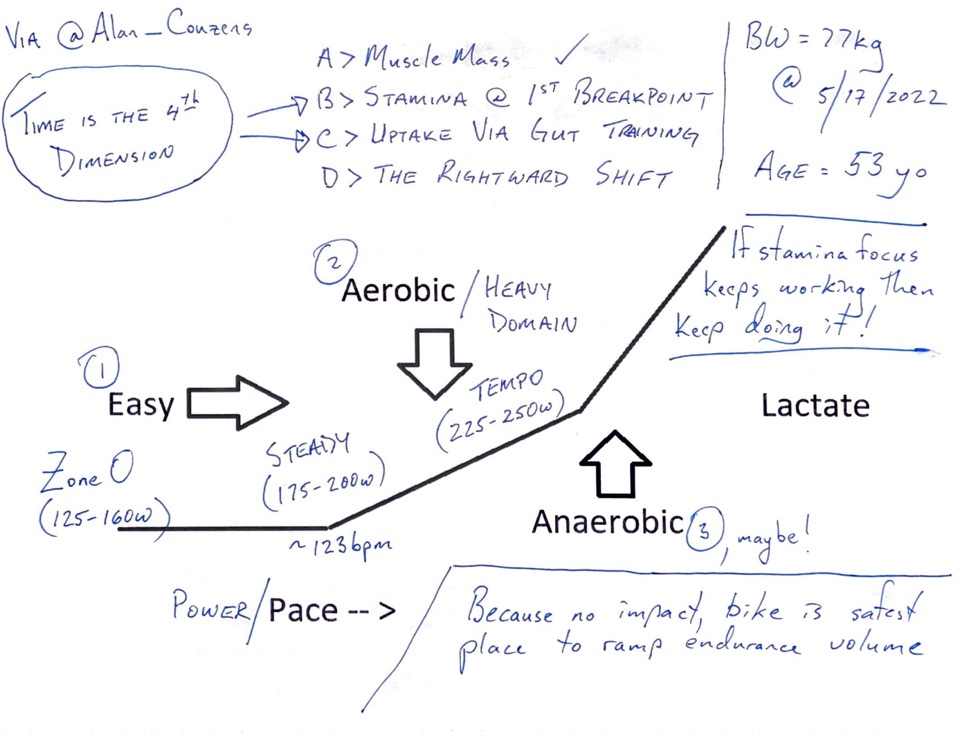
There are nine foundational concepts in the figure above:
No Muscles, No Power
Stamina & Performance at First Breakpoint
Fueling The Burn
Fitness is expressed as a rightward shift of the lactate curve
There is an optimal sequence to training periodization. We start with a focus on health, shift towards metabolic fitness, add general capacity then finish with specific preparation.
Fast and hard are not the same thing
Continue base training as long as it continues to shift the curve
The bike is the safest place to ramp endurance volume
Fitness is a time series of performance
The five years before, and the 100 days after, I read Nils’ book relate directly to the first two points. We’re going to start with the top two points then return to our story.
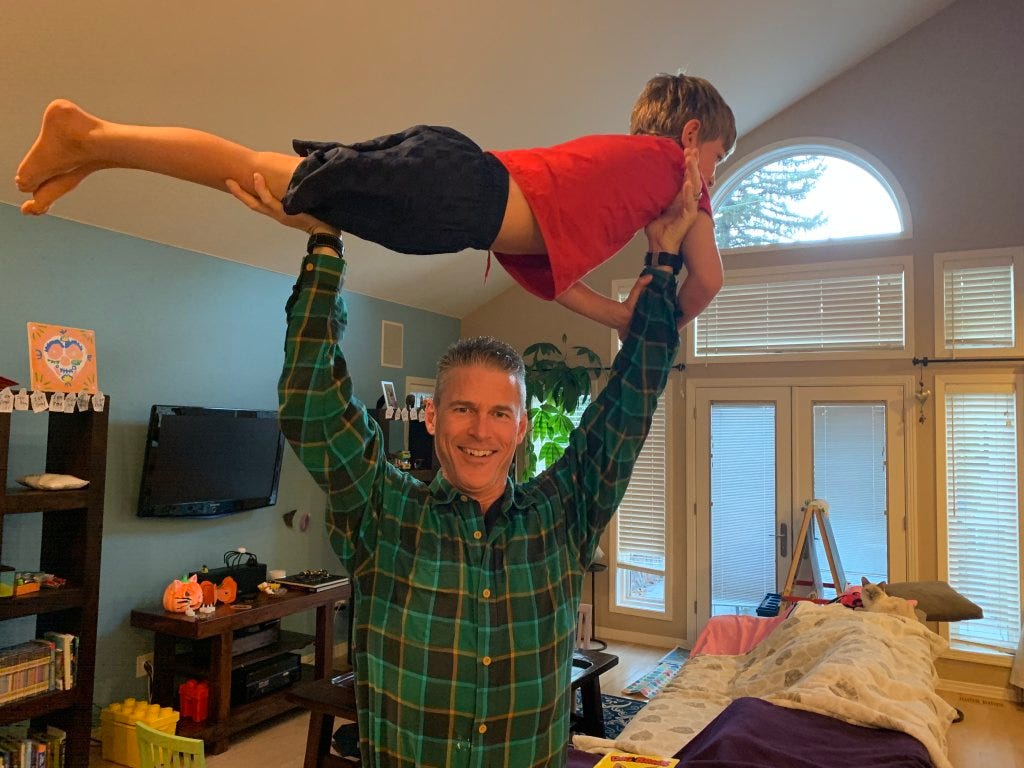
Muscles, Power and Performance
To explain my approach to maintaining athletic performance as I age, we need to rewind five years. It’s April 2017 and I’m 20 months away from my 50th birthday. Like many men my age, my motivation is high for one last push before I age-up into my 50s.
I decide to get jacked.
The last time I had done something similar was the winter of 2008/9. I was about to turn 40 and took a break from competition due to the birth of our first child. Back then, my training partner was a former US Army Ranger preparing to return to the US Army Reserves. We had a lot of fun turning my body into something more appropriate for military fitness.
Approaching my 50th birthday, my plan was:
Cap cardio sessions at an hour a day.
Avoid group training.
Perform plyometrics weekly.
Track total movements.
Gains come from working the legs.
Capping cardio and avoiding group training limits catabolic stress. A catabolic process breaks us down and requires extended recovery. On the flip side, an anabolic process builds us up. Strength and power athletes excel with anabolism. Endurance athletes tend to favor catabolism. To get to the top of amateur sport, and stay there, we need to balance both the buildup and – perhaps even more importantly - the breakdown.
