
Returning From Burnout
...and what to do with an unexplained decline in performance

Each week, I share these resources with someone in my DMs.
The conversation might open with something like:
I did a dozen races in 8 months.
I was sick 3x in-season.
I was injured twice, and
Hospitalized once.
I’ve been struggling with my motivation and experiencing mood swings. What do you think is happening?
+++
Another common situation is an athlete dealing with an unexplained step-down in performance.
+++
What follows are resources to help you get back on track.
Rule Out Bad Stuff
If either of the above scenarios sounds familiar then the first thing to do is see a medical doctor, ideally one who works with athletes.
Provide full disclosure of your symptoms and mental state to the doc, get baseline blood work done and rule out any medical issues.
Get this done. Catching serious issues early has saved the lives of friends I’ve coached.
Training For Health
The next step is a minimum of 15 weeks focused on your health.
What does that mean?
Not more than 2 hours of total training per day.
Not more than 1 hour per training session.
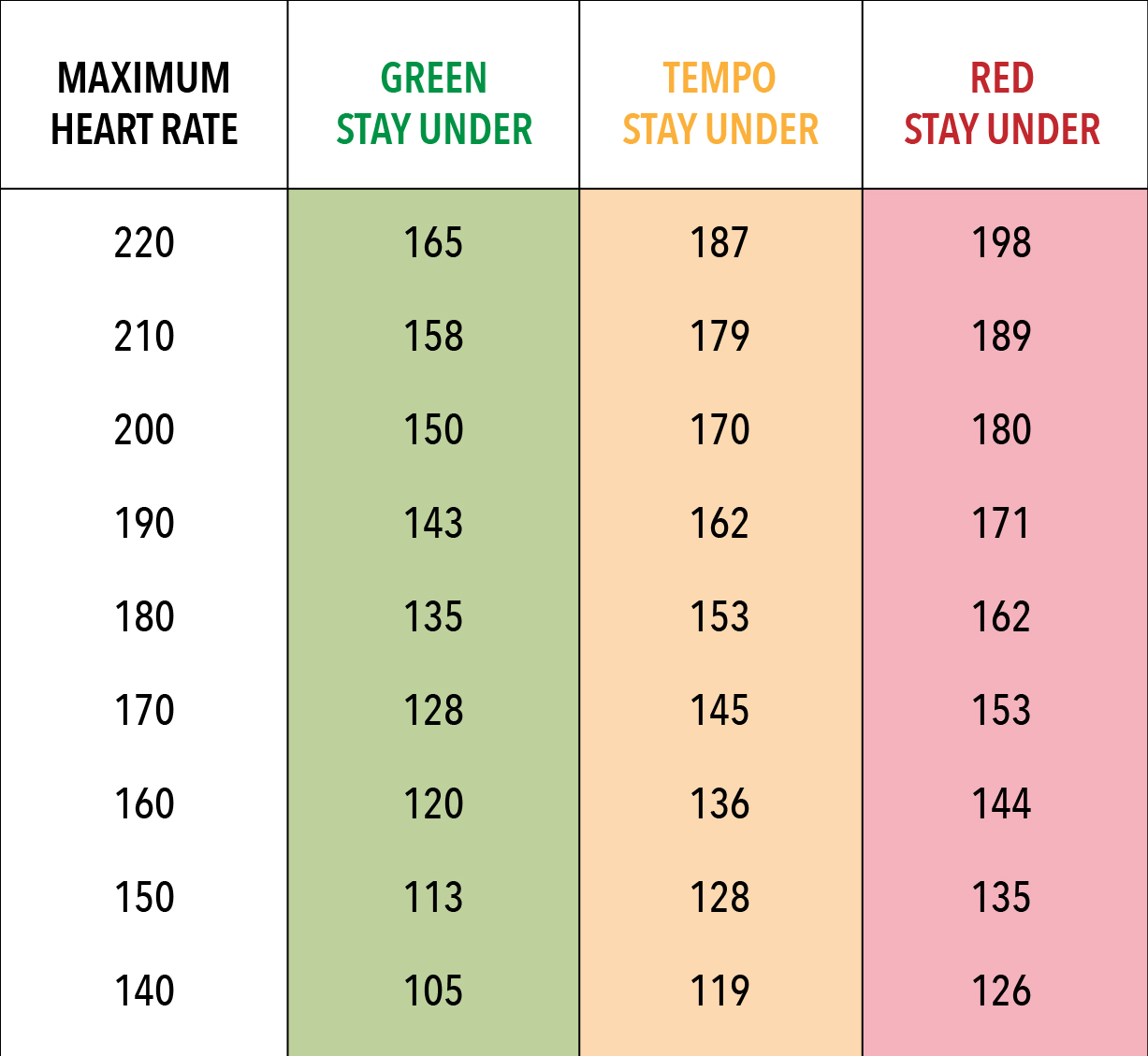
All cardio is Green Zone (see table below from Lemon to Legend).
Strength training once or twice a week.
Moderate efforts, sets of 10-15 reps, never to strain.
You will have to train alone - athletes with your profile train hard in group environments.
Gain 5% of body weight, gradually.
Eliminate sports nutrition and sugary snacks, replace with real food (see Chapter Three of From Lemon To Legend).
The combination of eliminating sugar and shifting to being energy positive will increase the quality of your nutrition.
Use the table below to set heart rate caps. It’s conservative and what you need.
Keep it simple, forget about power/pace, stop uploading to Strava/Socials.
Move your body, have fun and focus on health.
Non-Functional Overreaching vs Overtraining
The section above assumes you were dealing with non-functional overreaching. If you tipped yourself into full-blown overtraining then the return to health will take longer.
Regardless of what you had, you will need to address the beliefs, habits and peers that fried you. You will need support on this journey. Talk to your doctor for recommendations.

Inside From Lemon to Legend, John wrote a section on The Tired Athlete that gives you the perspective from a deeply experienced sports medicine practitioner.
As well, I wrote a three part series on overtraining. I explain what it’s going to feel like from inside the athlete’s perspective.
Part One explains the conditions required for overtraining and red flags.
Part Two discusses the descent to illness.
Part Three discuss the lived experience of overtraining and a gradual return to health.
The timeline for returning from full-blown overtraining is measured in years. You do not want to come close to what you will read about.
Anabolism
By the end of your health-focus you should be seeing the following:
Rapid healing of cuts, cuticles and niggles.
Elimination of chronic soreness and inflammation.
Increased mood, libido, creativity and cognitive function.
Improved digestive function.
Not being cold all the time
Chronic coldness is the #1 energy deficit sign in my peer group.
The ability to gain strength and add lean body mass.
Stable hunger and the absence of cravings & binges.
Clear eyes, healthy skin and lush hair.
A gradual, and material, increase in body weight.
This list is from my article on A-Race Recovery. Please read the section on Up-Regulation, which is what we want to happen during your health-focus.
After 3+ months of health focus, you’re like to be eager to return to “hard” training. Please don’t. That would be a return to the habits that led to burnout.
What I recommend is re-establishing your endurance training zones and beginning an early-season general conditioning block. Some resources to help:
My article on The Early-Season Block.
My article on Endurance & Strength Blocks.
Below is an extract from the second article. Remember you are coming out of an extended offseason that was focused on health.
Be patient and gentle with yourself.
Using An Endurance & Strength Focus
Endurance focus will vary by: (a) time of year, (b) athlete needs, and (c) the nature of the goal event.
Coming out of an offseason or extended break, the focus will be workout frequency. Build volume with frequent, rather than long sessions.
Following the completion of a VO2 Block, frequency will be maintained with a greater emphasis on duration of the key loading days.
As fitness improves, all athletes are tempted to boost load, increase Green Zone targets and reduce the number of easy days. Let’s run through each of these.
Load. Training load is the result, not the goal of smart training. The goal of smart training is race performance.
Green Zone Targets. All athletes wonder if their easy training is too easy. If you’re unsure then test. Even if you test… look to your consistency and the fatigue being generated to decide if you are coping well. Our endurance days should be a source of joy and a break from the structured sets of our key workouts.
Easy Days. Rejuvenation is an essential component of longterm positive adaptation. As fitness rises, make the loading days more specific and keep the easy days easy. This is tough to do. You will be tempted to self-sabotage.
Making mistakes with load and endurance targets, as well as a lack of low-stress days => this is the source of burnout.
A New Chapter In Your Life
I’ve outlined a six-month process. At the beginning, it will seem like a long time. I get it. If you can overcome the habits that led to burnout then you’ll open up a new chapter in your athletic life.
This new chapter will be fun.
Fun is adaptive.
Good luck.